

6 Things I Wish Every Patient Knew Before Starting Physical Therapy

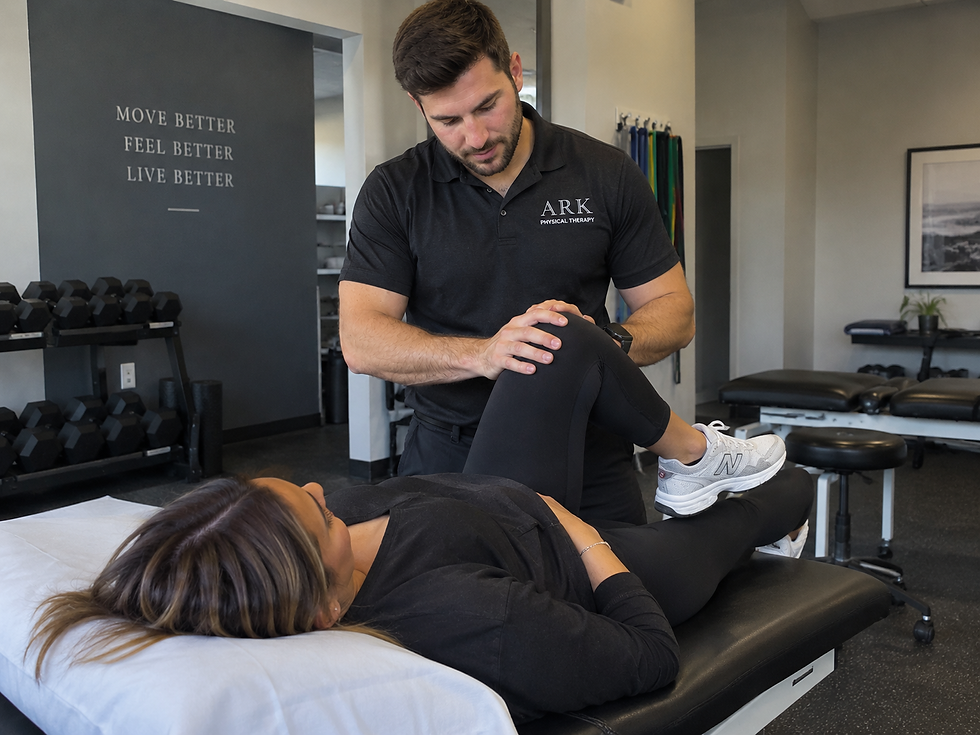
Starting physical therapy can feel like a big step. Whether you’re recovering from an injury, dealing with pain, or simply noticing that your body isn’t moving the way it used to, you may have questions about what to expect.
As physical therapists, there are a few things we wish every patient knew before beginning their PT journey.
1. You Don’t Have to Wait to Start PT
If you’re in pain or have recently been injured, you don’t necessarily have to wait weeks for a doctor’s appointment before getting started. New Jersey is a direct access state for physical therapy, meaning you can see a physical therapist without a prescription in many circumstances.
PT appointment wait times are often shorter than waiting to see your physician, and physical therapists are trained to perform a thorough evaluation, screen different systems of the body, determine whether physical therapy is appropriate for you, and refer you to another healthcare provider when necessary.
Getting evaluated early can be an important part of recovery. Research has shown that starting PT soon after an injury may lead to fewer overall visits, faster symptom improvement, less need for additional medical treatment, and lower overall healthcare costs. The sooner we understand what’s going on, the sooner we can help you move forward.
2. PT Isn’t Just for Pain or Injuries
You don’t have to be in pain to benefit from physical therapy. Physical therapists are movement professionals. If you’re noticing stiffness, tightness, decreased strength, balance changes, or difficulty performing activities you used to do easily, those are all reasons to consider an evaluation—even if you don’t have a specific injury.
Think of PT as a way to address movement concerns before they necessarily become a bigger problem.
3. Healing Takes Time—and It Isn’t Always Linear
The body’s natural healing process is incredible, but it takes time. And, importantly, recovery doesn’t always happen in a straight line. Think about your usual route to work. You’ve driven it so many times that you barely have to think about it. Then one day, the road is blocked. You have to turn on your GPS and take a completely different route. Even if the new route is more efficient, you may still feel uneasy because it’s unfamiliar.
Your body can feel the same way when we introduce new movements or exercises. There may be nothing inherently wrong with the movement—it’s simply different from what your body is used to. Some days will feel better than others. That’s normal. Remember: not every day has to feel like a good day for you to still be making progress.
4. We Can’t Feel Your Pain—So Tell Us About It!
As physical therapists, we can assess muscle tightness, joint stiffness, strength differences, and movement patterns. But we cannot actually feel your pain. Pain is personal, and you are the expert on what you’re experiencing.
Your feedback is a critical part of our clinical decision-making. Tell us what you’re feeling, where you feel it, what makes it better or worse, and how things change from day to day. Even if you feel like you’re repeating yourself too much, I promise—it’s never too much.
Every detail is another piece of the puzzle.
5. What You Do Between Appointments Matters
Coming to PT for an hour a few times a week is important, but it isn’t the entire equation.
Your therapist may give you exercises, movement strategies, or daily habit changes to work on between appointments. Consistency with these recommendations is crucial for creating meaningful, lasting change.
Think about it this way: if your goal were to become an Olympic athlete, practicing for only two hours a week probably wouldn’t get you there. Your goals require effort outside of your scheduled training sessions—and rehabilitation is no different. That doesn’t mean you’ll be given an overwhelming list of exercises. A good PT will help you prioritize the most important things you can realistically fit into your life.
6. We’re Here for You
Finally, remember that your physical therapist is on your team. Recovery can come with uncertainty, anxiety, disappointment, and plenty of life challenges along the way. Please bring those concerns to us. Be honest about how you’re feeling, what you’re struggling with, and what you need.
We want you to get better, but we also understand that life happens. Our goal is to work with you, adapt when needed, and provide the highest quality care possible.
Starting PT is the beginning of a partnership. You don’t have to navigate the process alone.
Ready to Take the Next Step?
At Ark Physical Therapy, we take the time to listen to your concerns, understand what may be contributing to your symptoms, and develop an individualized treatment plan based on your goals. Whether you’re recovering from an injury, experiencing ongoing pain, or simply noticing changes in the way you move, we’re here to help you feel confident in your body again.
You don’t have to wait for pain to get worse, and you don’t have to navigate recovery alone.
Contact Ark Physical Therapy today to schedule an evaluation and take the first step toward moving better, feeling better, and getting back to the activities that matter most to you.


